HOTOVO supports… passion, talent and water polo!
If you’ve read any of our blogs before, you’ll already know that here at Hotovo, our values are what drive us. And we can say that skill, fun and trust are three of the biggest values that are basically carried in our blood.
They’re the values that define what the people at Hotovo truly are. And they’re the values we love to support and encourage in others, too.
We work it, we live it, we support it.
At Hotovo, we love creating amazing software… and we love to have fun while doing it! But we also love to make a difference – whether that’s with the software we create, or by supporting and cheering on others.
When we see others who share our values, we can’t help ourselves, we want to cheer them on. Which is how we ended up becoming sponsors of the Slovakia Women's Water Polo National Team!
So how do our values, beliefs and work ethic compare to those of a water polo team? Read on to find out…
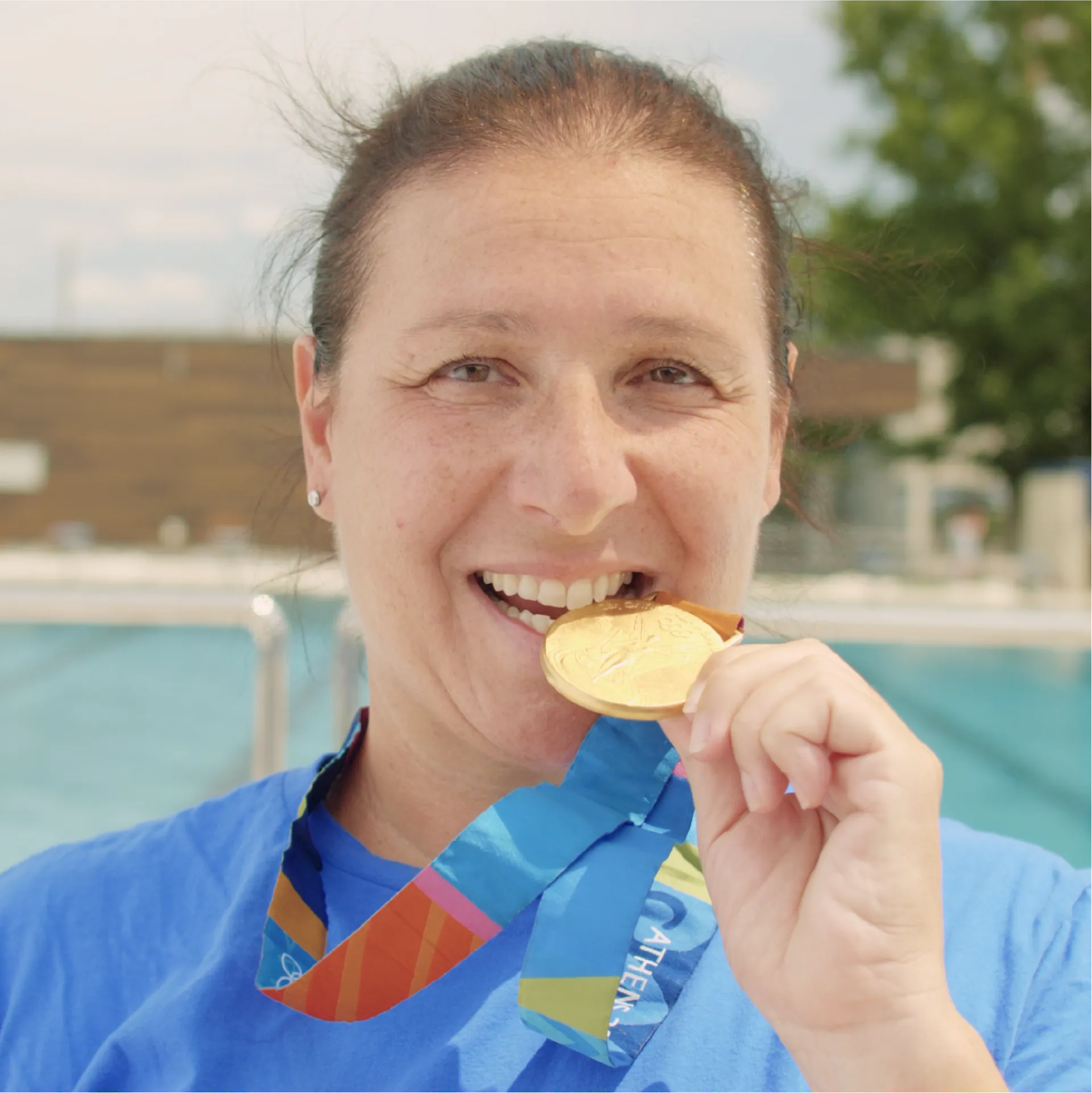
We had the privilege of meeting Cinzia Ragusa, an Italian water polo player who won gold at the 2004 Summer Olympics in Athens, Greece, and who is now the team coach for the Slovakia Women’s Water Polo National Team. She talked to us about how skill, fun and trust are such important values for her team… and it’s amazing how familiar so much of what she has to say is to us here at Hotovo, a team of software developers (and enthusiastic would-be athletes!).
The skills that lead to success
The most important skill you need to be a water polo player is to have the desire and the willingness to work for it.
Just as in any other sport, job or discipline, a basic natural ability or interest in a topic is vital, but a person becomes truly skilled through a combination of learning, practice and experience.
An athlete needs to possess certain attributes and qualities that contribute to their excellence – some of which are inherent; some of which come from hard work:
Physical abilities such as strength, speed, agility, endurance, flexibility and coordination are needed in sports. These physical qualities are fundamental for performing the specific movements and actions required.
But technical proficiency is also crucial. This includes mastering the proper techniques, skills and mechanics to elevate their performance to the next level.
So is tactical awareness... understanding the sport’s strategies, tactics and nuances is essential for making informed decisions during gameplay. A skilled athlete needs to be able to read the game, anticipate opponents' actions and make strategic choices that contribute to success.
And mental resilience is important too. Sports often require mental “toughness” and the ability to perform under pressure. Skilled sportspeople usually possess mental attributes such as focus, concentration, determination, confidence and the ability to stay calm in high-stress situations.
The ability to adapt to changing conditions, opponents' strategies and unexpected challenges is a hallmark of a skilled sportsperson, and athletes who can modify their approach and tactics to stay competitive will always have an advantage.
But equally important is putting in the hard work to develop your skills…
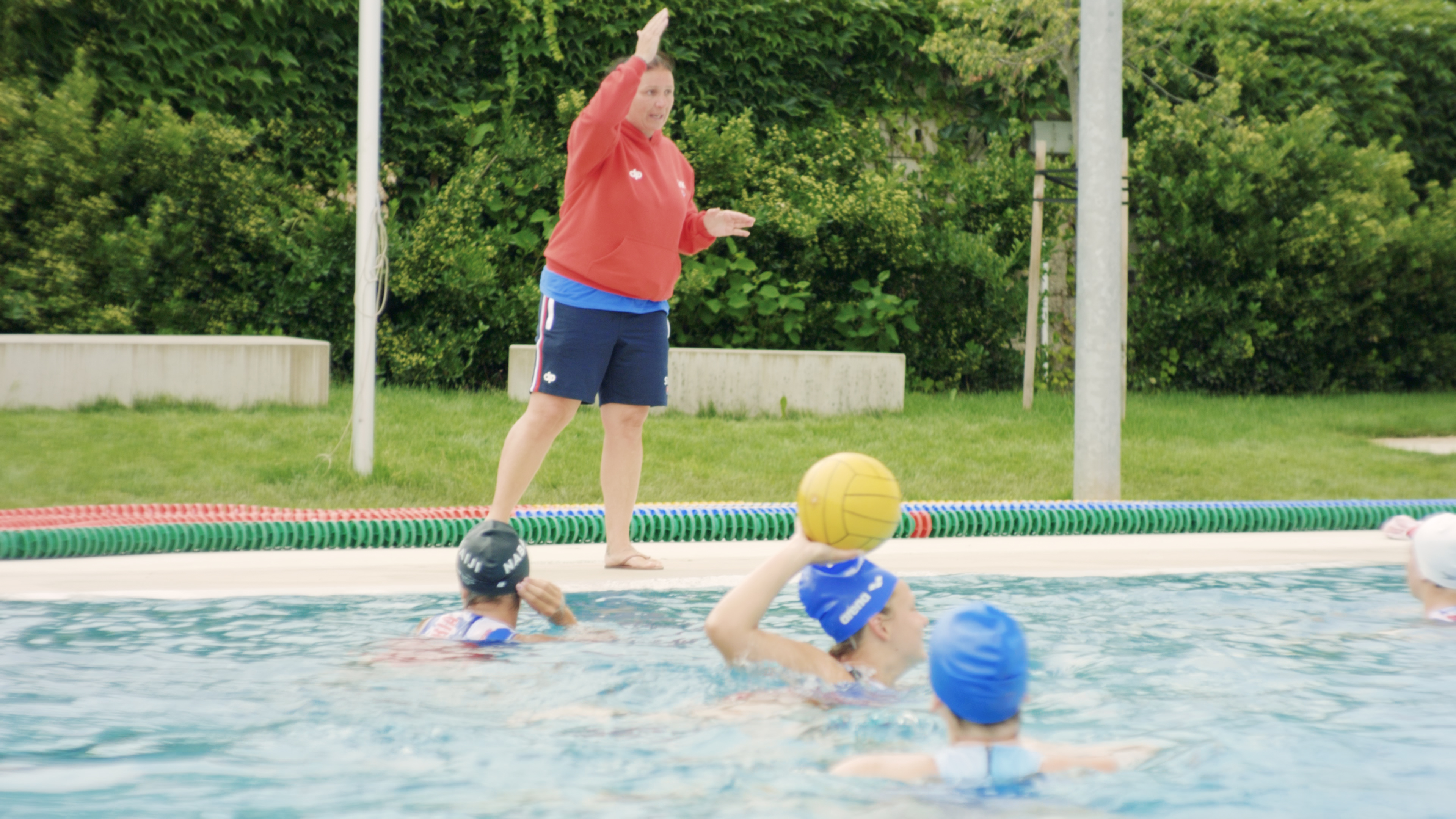
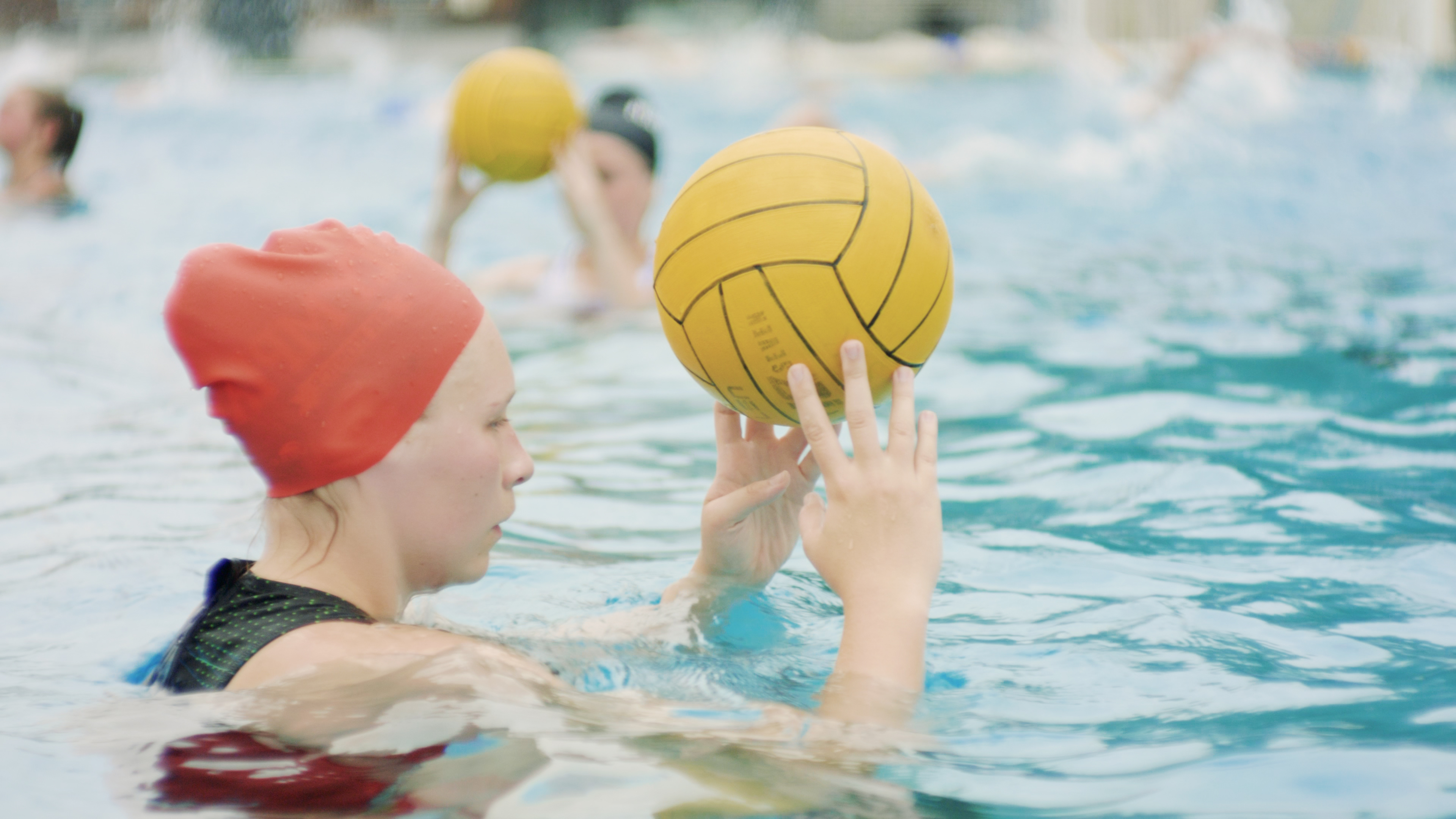
Skill development in sports requires consistent practice, training and discipline. Skilled sportspeople dedicate themselves to rigorous training regimes, adhere to strict nutritional and recovery plans, and maintain a strong work ethic. Everyday drills with the yellow ball, kilometers spent in the pool swimming up and down, functional training outside the pool… It’s hard, and sometimes they just want to quit. But then they listen to their heart… they know they love the game, and they know they are willing to do much more, so they keep working hard.
And that work, and the skills they work hard to develop, come in many different forms:
Experience gained through years of participation and competition is invaluable. Skilled athletes learn from both successes and failures – always gaining insights that contribute to their overall development.
Teamwork and communication: In team sports, effective communication, collaboration and understanding of teammates' roles are all crucial. The most successful sportspeople know how to work harmoniously within a team environment.
Physical and mental conditioning: Maintaining optimal physical fitness through proper training and conditioning is vital for peak performance, and the same goes for mental fitness. Mental conditioning techniques such as visualization and mindfulness can greatly enhance focus and mental clarity.
Motivation: A genuine desire to succeed that is driven by a deep love for the sport, a desire to improve and a passion for competition. This motivation drives us to continually strive for excellence.
Continuous learning: The sports landscape, just like all other landscapes, constantly evolves – with new techniques, technologies and strategies emerging all the time. Skilled athletes engage in ongoing learning to ensure they’re always up to speed with the latest advancements and are adapting their skills and tactics accordingly.
Having fun is vital…
Fun is part of the process! Sometimes it can be forgotten, so a coach or a leader’s role is to remind their team of that!
Being an athlete comes with a variety of rewarding and enjoyable aspects that contribute to its overall fulfilling experience.
The thrill of competing against opponents and testing one's skills and abilities in a competitive environment is a major source of excitement for most athletes. Winning a hard-fought match can bring immense satisfaction, and setting and achieving goals is a fundamental part of being an athlete.
For team sports, the sense of friendship that develops among teammates is often a highlight. Sharing victories, setbacks and memorable moments with a close-knit group creates a strong sense of community and bonds that can last entire lifetimes.
Many athletes have the opportunity to travel to different locations for matches, tournaments and events, which can also lead to exciting adventures and the chance to experience new cultures.
Feeling strong, energetic and healthy is another positive aspect of the athletic lifestyle.
The support and cheers from fans and spectators is also very powerful and enjoyable. The feeling of being cheered on by a crowd is incredibly motivating to most people and can significantly boost confidence as well as performance.
And at the end – whether it's receiving a medal, trophy or recognition for a job well done, celebrating achievements is always a joyous and gratifying experience for athletes. Even a lost game is celebrated if played well.

But before it all, comes trust…
Trust is an essential and foundational aspect of athletes' lives.
First, you need to trust yourself. Trust in one's own abilities is vital for self-confidence.
But trust among teammates is equally important. Athletes need to trust that their teammates will fulfill their roles, make the right decisions and support each other on and off the field. This trust enhances teamwork, communication and overall team performance.
Athletes often have to rely on each other to perform their best and contribute to the team's overall success. So trust is also an essential aspect of successful communication. Players must be able to discuss strategies, tactics and concerns without fear of judgment. Trust encourages effective communication that leads to better decision-making and improved performance.
Athletes also need to trust in their coaches and mentors. Coaches provide support and feedback, technical guidance and strategic insights that help athletes refine, grow and improve their abilities. And when athletes trust their coaches, they’re both more likely to fully commit to their training and improvement and more likely to succeed. Trusting those who lead you allows you to focus on your performance without unnecessary doubts or distractions.
And that goes both ways – coaches also need to trust their players! This is a crucial aspect of effective coaching and team dynamics. Trust forms the foundation of a positive and productive coach-player relationship, and by cultivating a culture of trust, coaches can create a positive and empowering environment.
Essentially, trust is the foundational element that underpins it all: personal belief, teamwork, communication, resilience, decision-making, and overall success – both in the world of sports, and the world of everything else. It creates a supportive environment where people can thrive both individually and collectively, contributing to their own personal growth and to team achievements.
Winning isn’t easy… but it isn’t meant to be
To win – whether in sport or in anything else, there are always many factors at play. Your heart, your head… and sometimes you just need a little pinch of luck.
Winning is never guaranteed. But as they say, mountain tops are small and the air is thin... and this is for a reason… because you are not supposed to dwell on the top of the mountain.
Winning is not the only measure of success in sports. The journey, effort and lessons learned along the way are also valuable aspects of athletic pursuits. Regardless of the outcome, embracing the experience and giving your best effort can lead to great personal growth and enjoyment.
Working hard but having fun… believing in yourself and striving for success… practicing, studying, learning, improving… and trusting – in yourself and in those around you…
This is what ultimately leads to success, and this is what leads to fulfillment.
Whether in sports or in software 🙂
Want to join us in cheering on the Slovakia Women’s Water Polo National Team?
Follow our Facebook or Instagram and keep track of their exciting journey!
More photos HERE.

QA engineer turned project manager, now overseeing multiple projects after building both technical and soft skills along the way. She also manages CSR initiatives, extending that same organizational focus beyond product work.