Why go to the Functional Scala conference?
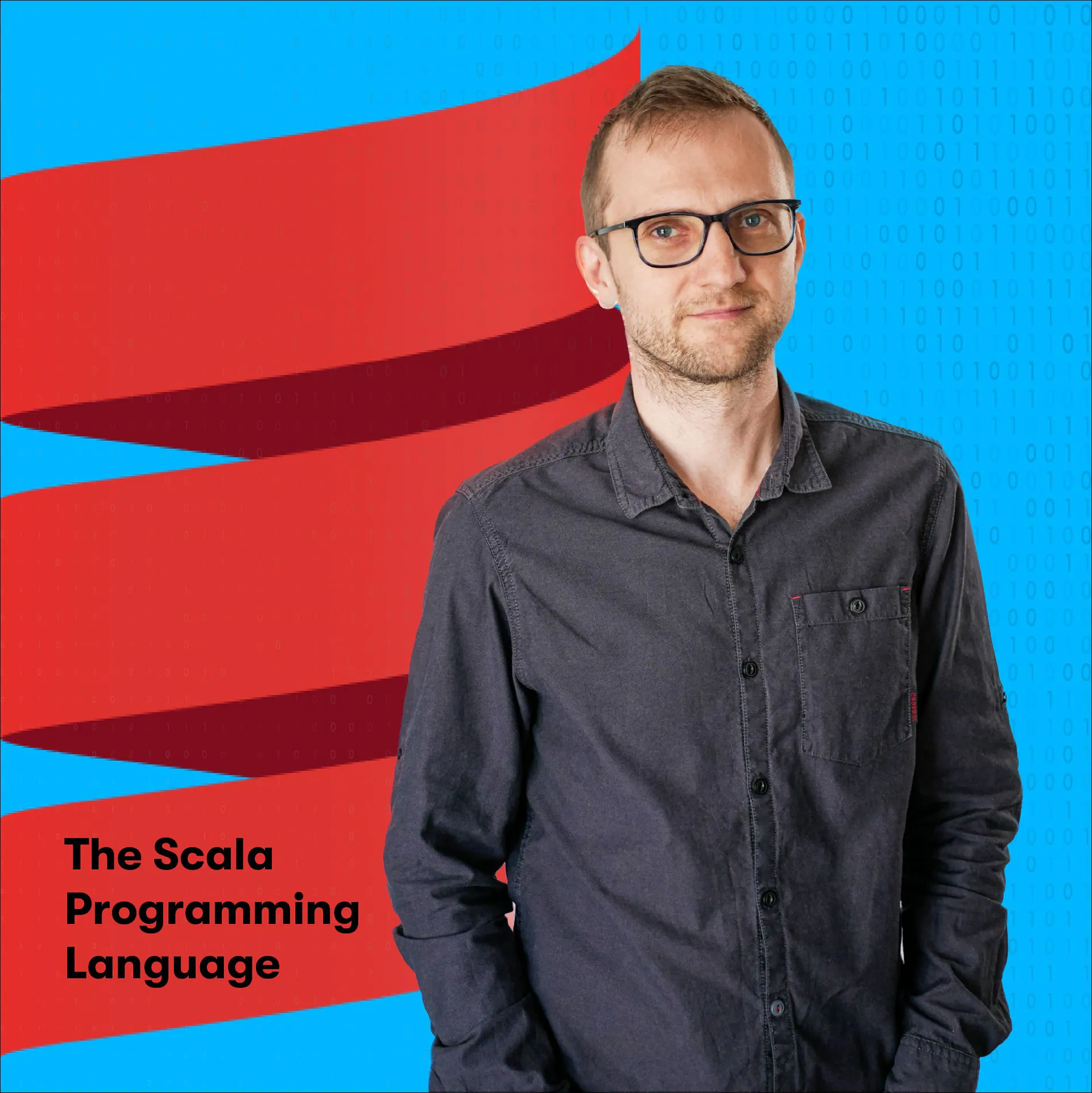
I’m leading the Scala technical vertical in Hotovo, with a vision to inspire people and grow their developer competence in using Scala and functional programming – as it’s not easy to always be on top of everything happening in the ecosystem.
We attended the Functional Scala 2022 conference in London to help us navigate the new development. Here’s my summary of the event.
The talks, venue, catering and hallway networking was all very well organised and professional. I had a really good feeling about the quality of the talks too. The two days were packed with almost 50 talks in 2 tracks, including 6 keynotes. Many of them were related to the ZIO ecosystem, which was expected given the conference was organised by Ziverge, the company behind ZIO.
There were a few main categories that the talks fell into:
* Summaries of solutions to particular problems and their comparison: This was mainly keynotes. I missed John de Goes' final keynote about concurrency approaches by ZIO and JDK/Loom due to my tight schedule. I'll have to wait for the video. Adam Warski did a great job comparing effect systems, which was one of the main topics of the conference.
* OSS libraries in the Scala ecosystem: Most memorable for me was Pierre Ricadat's intro to Shardcake – the entity distribution library comparable to Akka's main selling point – discussing the motivations and possible improvements over Akka. After the licensing of Akka, it received great interest from the community.
A couple of presented libraries use one of Scala's important features: meta programming that allows you to derive type classes from data structures or schemas. This way it's possible to create type-safe, compile-time generated parsers and formatters. In my opinion, a better approach than runtime introspection.
* Scala (3) learning sessions: Intros to some of the new language features like refined, opaque or path dependent types; or how to use implicit parameters.
* Talks about how to make functional programming in Scala simpler: This included alternative type-classes encoding, using an imperative-like style of sequencing effectful operations, or handling effects in general.
* Stories from production systems: How software engineers solve various problems using tools available in the Scala ecosystem. This was my favourite category as it shows the real value of Scala. Whether it's the flexibility to create advanced DSLs, type-safe APIs, or libraries to create correct and efficient systems. For example, I liked the talk from the guys from Conduktor about creating a responsive and scalable system for providing detailed Kafka insight.
I missed there not being any talks from Typelevel or Lightbend/Akka ecosystems. It's understandable, since they are also competitive solutions – they don't fit the narrative of the conference. But it's a shame not to be exposed to everything Scala has to offer.
Apart from the talks, I enjoyed being in the community of fellow programmers and having a chance to talk to some of the presenters. I met a few of my former colleagues and was introduced to more Scala developers from Slovakia, which is always nice.
I left with a feeling of satisfaction. Mainly because it proved that my choice and vision about selecting Scala, its ecosystem, and functional programming for productively writing correct, fast and maintainable programs, is right. And that I get to do all this by being with, and a part of, this super smart and helpful community.

Full-stack developer and Forward Deployed Engineer with a habit of taking unconventional approaches to hard problems. He speaks regularly at tech events, sharing what he's learned from hands-on software development work.